The quiet shift
For three consecutive years the federal aging-in-place figures have moved in the same direction: more Canadian seniors, more of them living independently, and fewer of them choosing residential facilities as a first option. What has not kept pace is the community-level infrastructure to support that decision.
Where the gaps sit
Home care hours funded through provincial programs vary by nearly 400% between provinces. Families in Ontario, for example, are eligible for a very different quantum of subsidised hours than families in Alberta or the Atlantic provinces. Understanding your provincial allotment is the first step in any real home-care plan.
The private layer
For most families, provincial coverage is a foundation, not a ceiling. A private layer — the sort of consistent, rotating PSW care Xtreme Care provides — is what keeps a household running when subsidised hours end at 3pm.
What we recommend this year
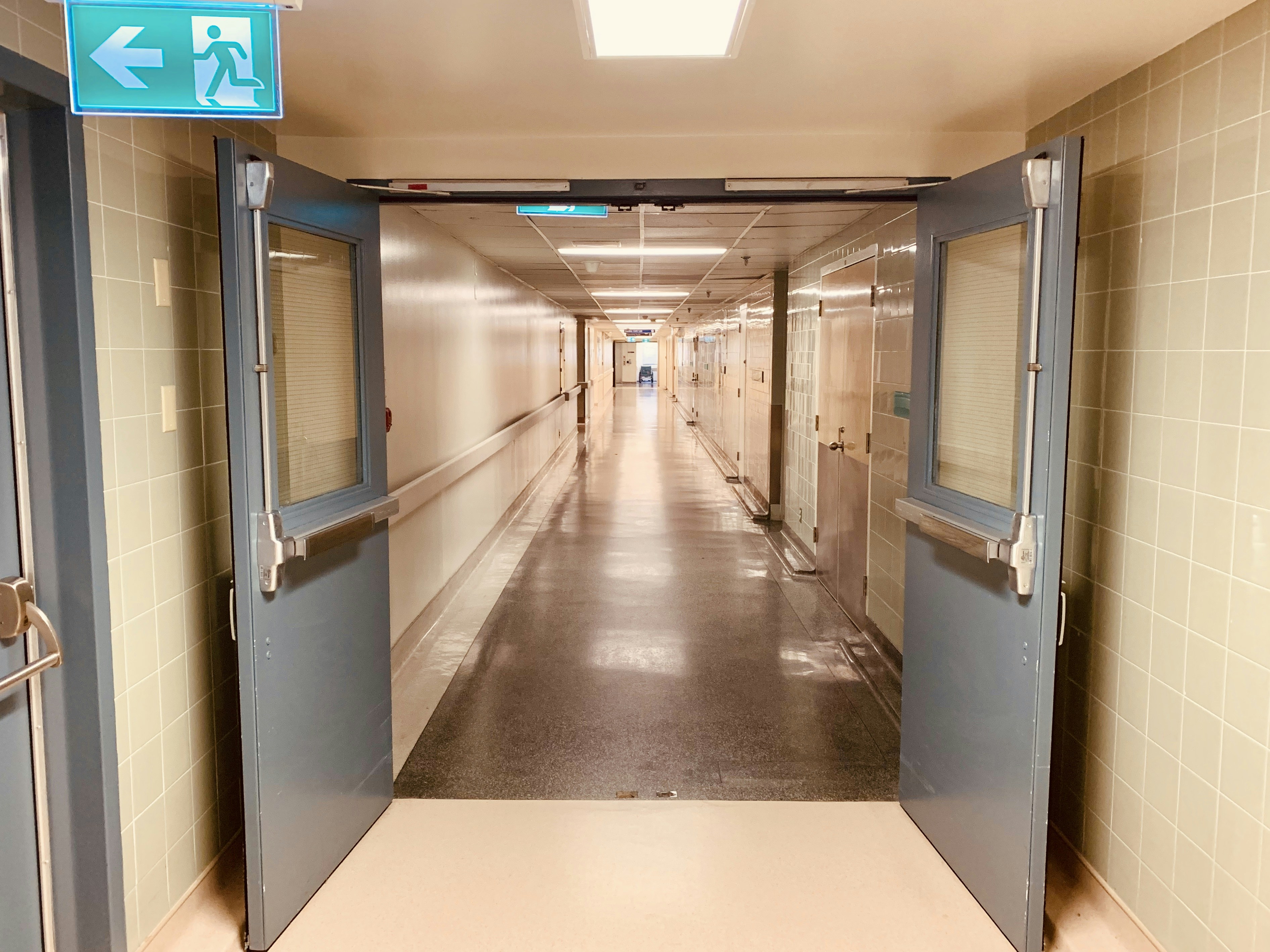
Start early. Assemble the paperwork before the crisis. Interview your caregiver before you need one. Aging in place is not a decision made in a hospital corridor — it is a plan made at a kitchen table, months in advance.